
Following what the source describes as a Defense Distributed victory in litigation formerly known as VanDerStock, Second Amendment attorney Stephen Halbrook argued at the Volokh Conspiracy that the ruling’s impact may extend beyond so‑called “ghost guns.”
The word at the center: “readily”
Halbrook wrote that the decision “could have a broader impact, particularly if affirmed and further exposited by the Fifth Circuit, by challenging courts to strictly construe terms like ‘readily,’ whether found in a regulation or the statutes.” He added that “the vagueness of ‘readily’ may be ameliorated somewhat by the requirement that the government must prove that a party ‘knew the weapon he possessed had the characteristics that brought it within the statutory definition….’” (citing Staples v. United States, 1994).
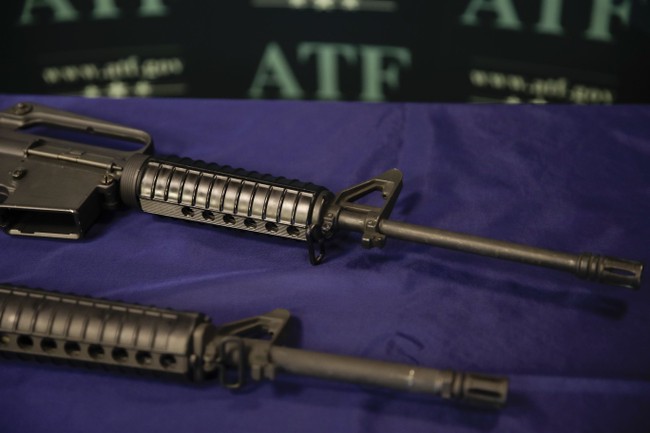
According to Halbrook, some statutory or regulatory “assault weapon” definitions reference parts that can be “readily” assembled into a firearm, raising questions about how that term is applied.
When courts found “readily assembled” too vague
Halbrook pointed to a case he litigated, Peoples Rights Organization v. City of Columbus (6th Cir. 1998), in which the court stated that “the phrase ‘may be readily assembled’ does not provide sufficient information to enable a person of average intelligence to determine whether a particular combination of parts is within the ordinance’s coverage.”
What to watch next
Per Halbrook’s Volokh post, if the Defense Distributed win in the case formerly known as VanDerStock is affirmed and its reasoning developed by the Fifth Circuit, it could press courts to apply stricter, more precise readings of “readily” across gun regulations. The source notes that Halbrook framed this as a due‑process concern tied to vagueness and inconsistent application.